
At Playhouse Academy, we want every child to grow up safe, confident, and resilient. While it is natural for parents and teachers to want to protect young children, research shows that overprotection—or “bubble-wrapping” kids—can actually harm their development.
What Does “Bubble-Wrapping” Mean?
“Bubble-wrapping” refers to being overly protective, where children are shielded from all risks, challenges, or mistakes. For example, not letting them climb, run freely, or try something new for fear they might fall or fail. Why is it dangerous for young children?

Hinders Risk Assessment Skills
Research shows that children who are not given chances to explore small risks (like climbing or jumping) may grow up with poor judgment in real-life situations.
Brussoni et al. (2012, International Journal of Environmental Research and Public Health) found that children benefit from “risky play,” which helps them learn their own limits.

Delays Motor Development
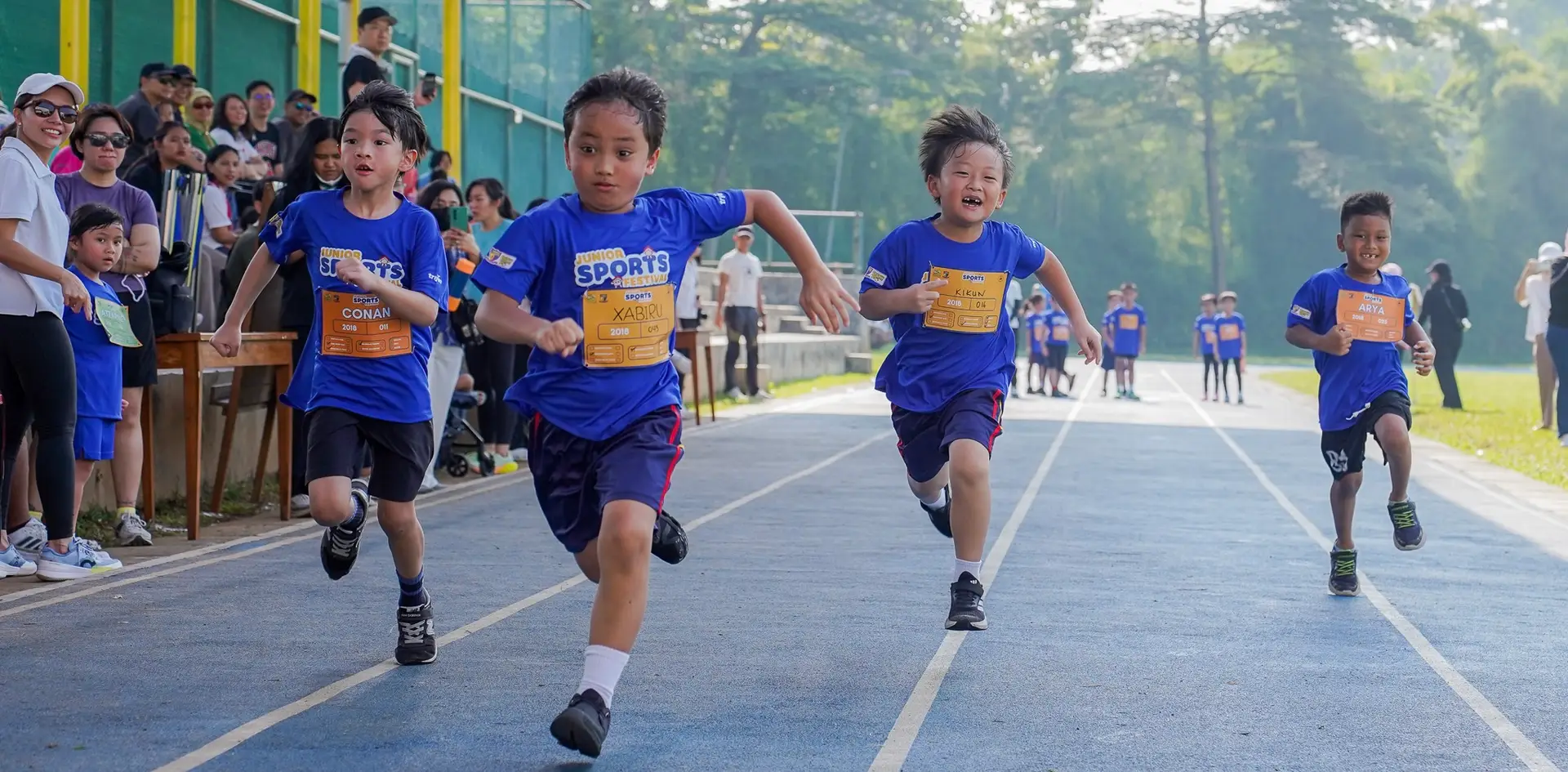
Running, climbing, balancing, and tumbling help develop gross motor skills and coordination.
Limiting these activities can delay physical milestones and affect long-term health.

Reduces Confidence & Resilience
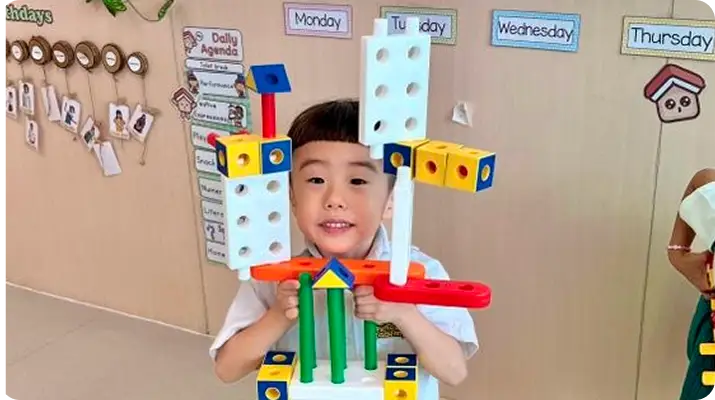
Children build self-esteem by trying, failing, and trying again.
Overprotection may lead to fearfulness, low confidence, and anxiety when facing challenges.
Ungar (2009, Journal of Child and Youth Care) highlights resilience as a key factor in positive mental health, developed through manageable challenges.

Limits Problem-Solving & Creativity
When children are not allowed to experiment or make mistakes, they miss opportunities to think critically and creatively.

Affects Emotional Regulation
Small falls, disagreements, or frustrations are opportunities to learn how to manage emotions. Shielding children from these experiences makes it harder for them to cope with stress later.
While it is natural for parents and teachers to want to protect young children, research shows that overprotection—or “bubble-wrapping” kids—can actually harm their development.
What Should Parents and Teachers Do Instead?
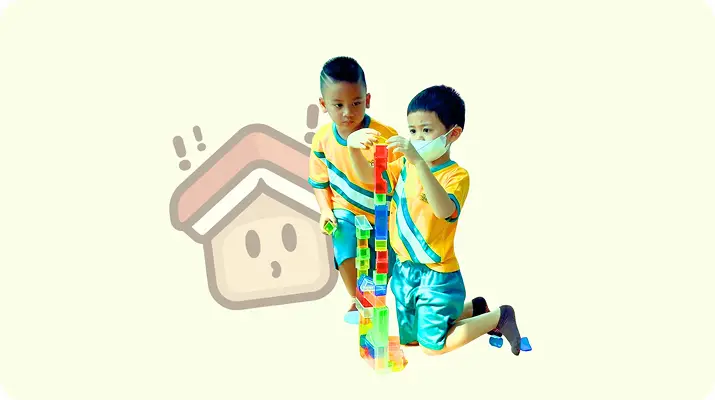
Provide safe but challenging environments (climbing frames, natural play areas, open-ended materials).
Supervise, but don’t hover—let children try things on their own.
Encourage children to take responsibility for small risks (“hold on tight when climbing,” “watch your step”)
Celebrate effort, not just success.
Final Thought
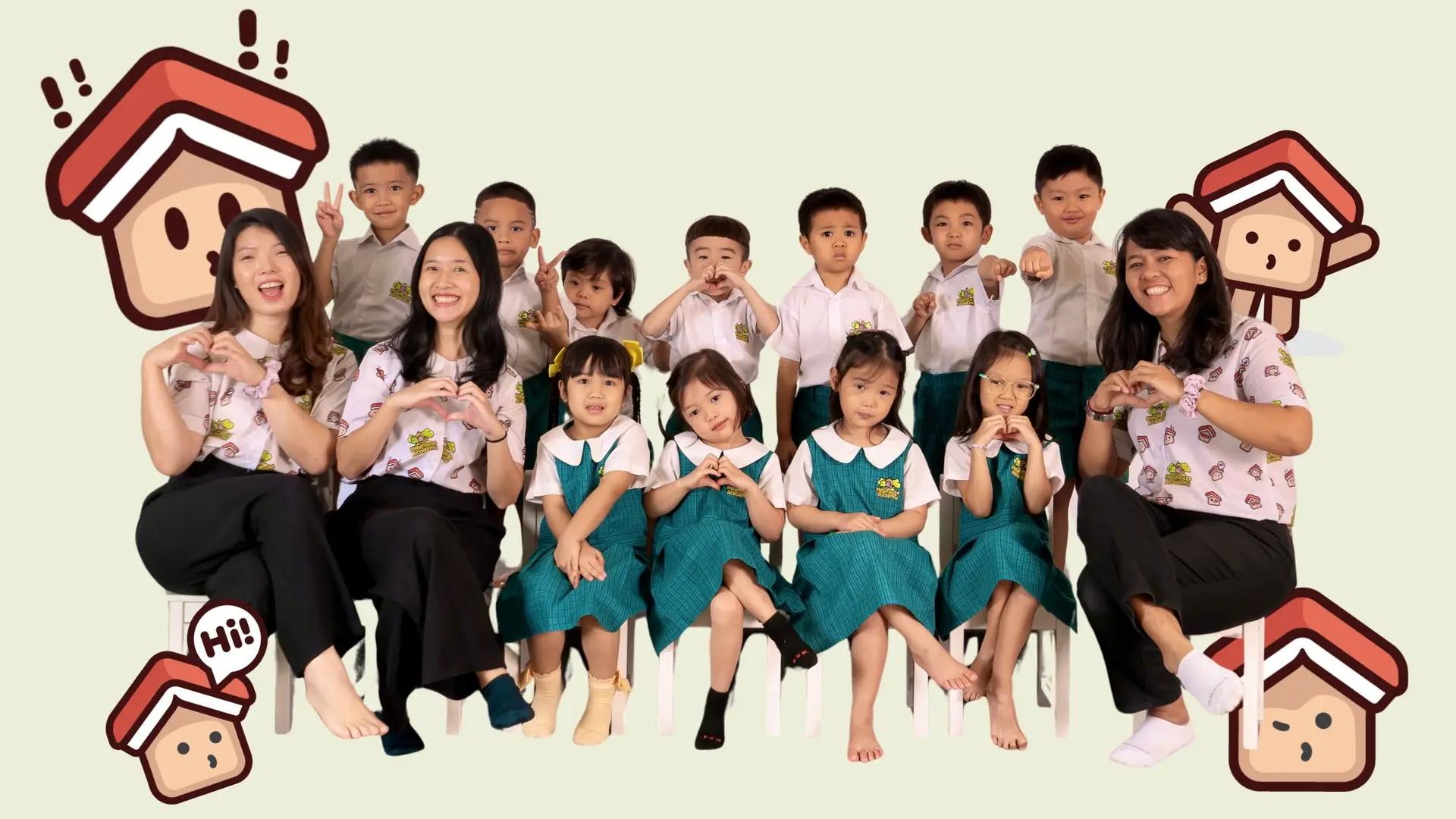
Children don’t grow strong and confident inside a bubble. They grow when given the freedom to explore, the space to fail safely, and the encouragement to try again. At Playhouse Academy, we believe in building resilient, joyful, and capable learners—not bubble-wrapped ones.
🔗 References: