
In today’s busy world, many young children are lovingly cared for by caregivers other than parents. This keeps children safe and comfortable at home.
However, this can also mean they have fewer opportunities. They may not develop social, emotional, and communication skills. This is especially true when interacting with kids their own age.
While caregivers at home provide love and security, school introduces children to a wider community of relationships.

Why School is Important
Social Development
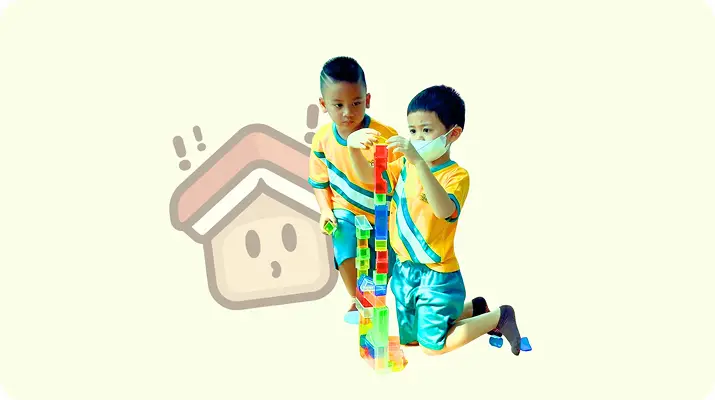
School gives children daily chances to interact with their peers. They can practice sharing, solving problems, and making friends. These skills are hard to develop fully in one-on-one care at home.
Structured Learning Through Play
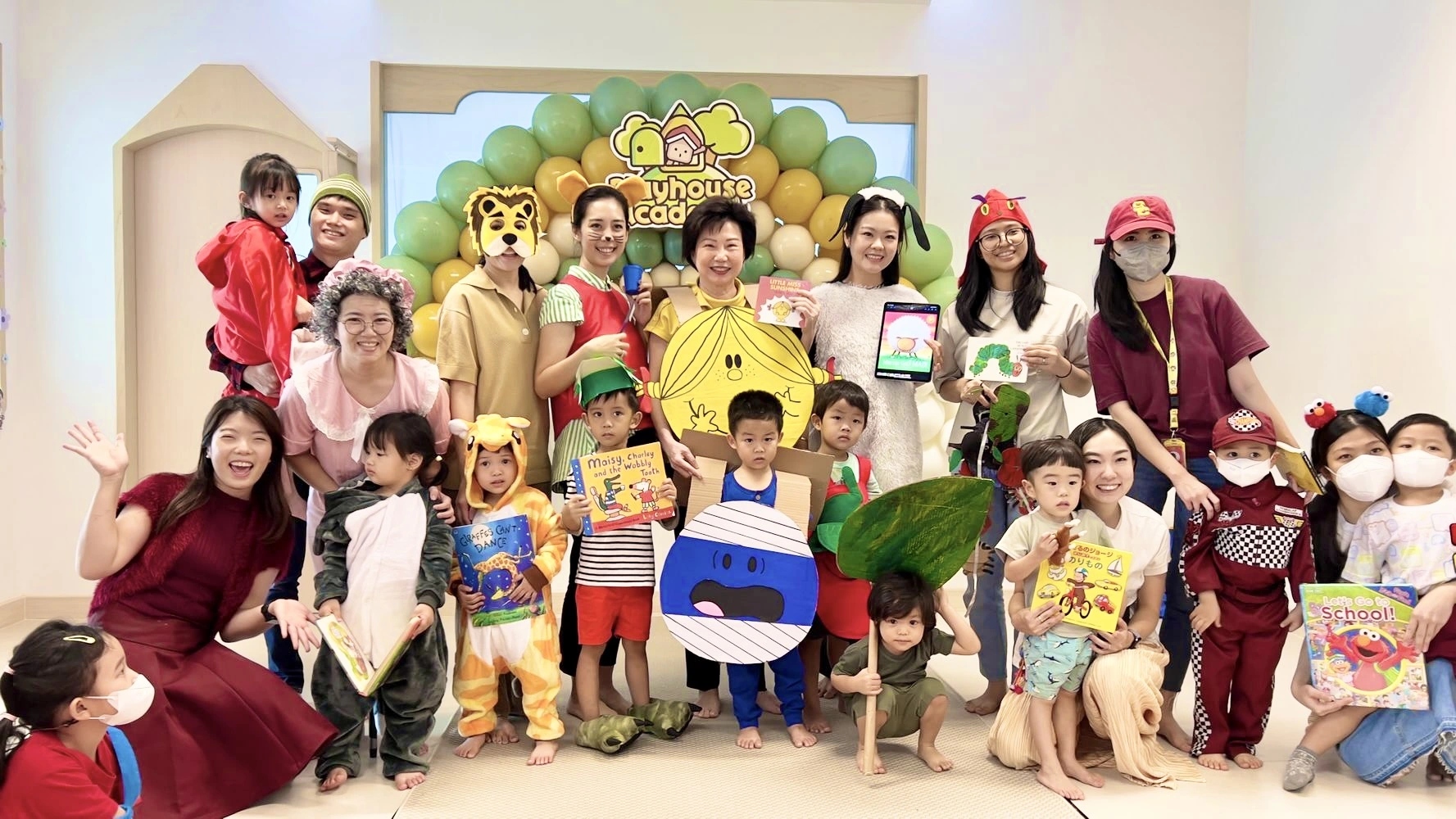
In early childhood programs like Playhouse Academy, children learn through play. This helps them build language, literacy, math, and motor skills in fun and natural ways.
Confidence and Independence
Being in school helps children try new routines and make choices. They can build independence while caring teachers support them.
Balanced Development
Research highlights that children benefit most when they experience multiple relationships—family, caregivers, teachers, and peers. This balance fosters resilience and prepares them for future learning.

Why It’s Especially Helpful for Children with Other Caregivers
While caregivers at home provide love and security, school introduces children to a wider community of relationships. This helps prevent over-dependence on one adult and supports smoother transitions into kindergarten and beyond.
At Playhouse Academy, we work closely with parents, grandparents, and nannies. We aim to make school meaningful and supportive for every child.
Reference: